A practical follow-up guide for affiliates and advertisers: turn an introduction at the booth into a clear discussion of offers, GEOs and tracking.
01 / PARTNERSHIP
The introduction is only the starting point
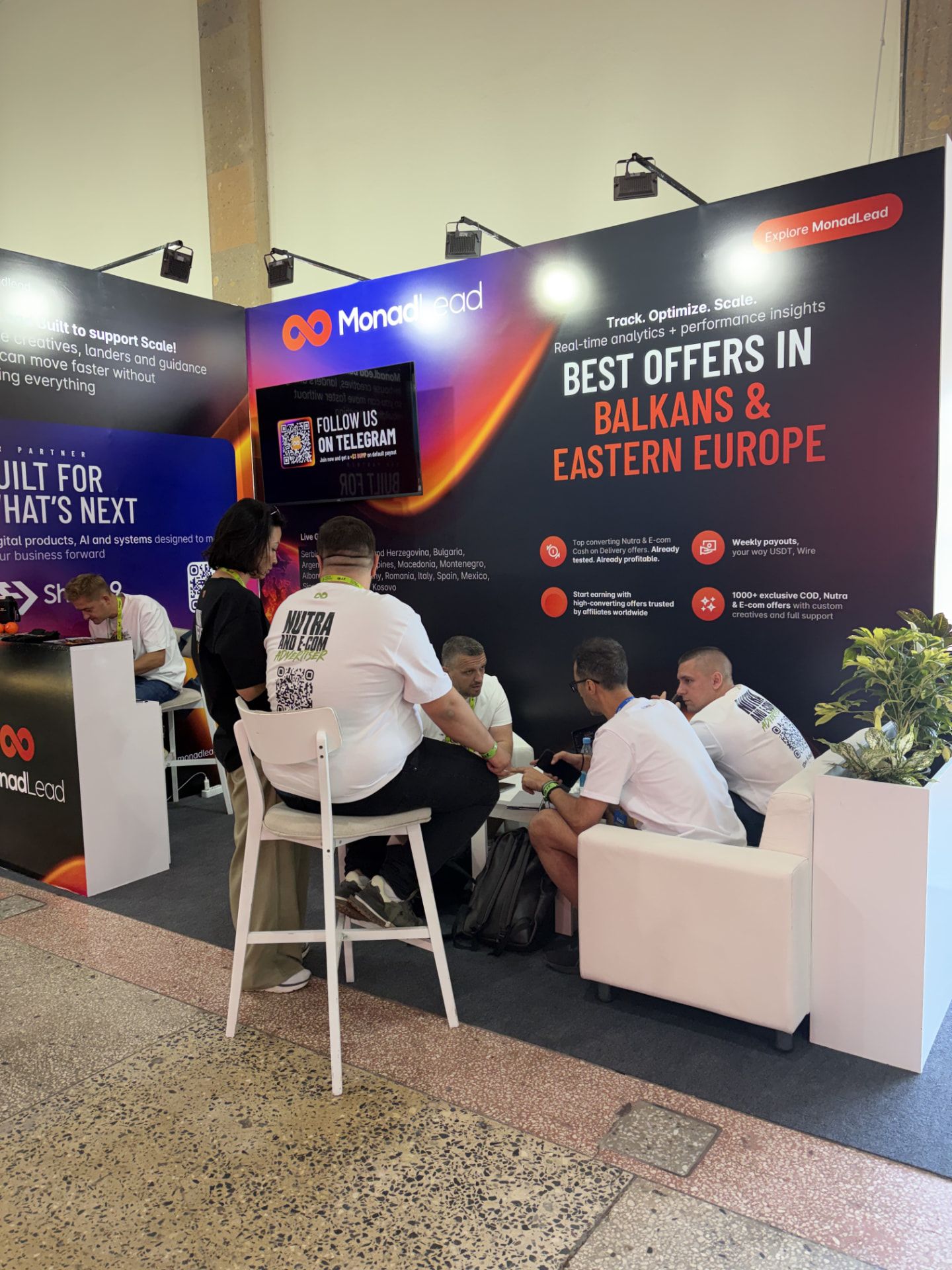
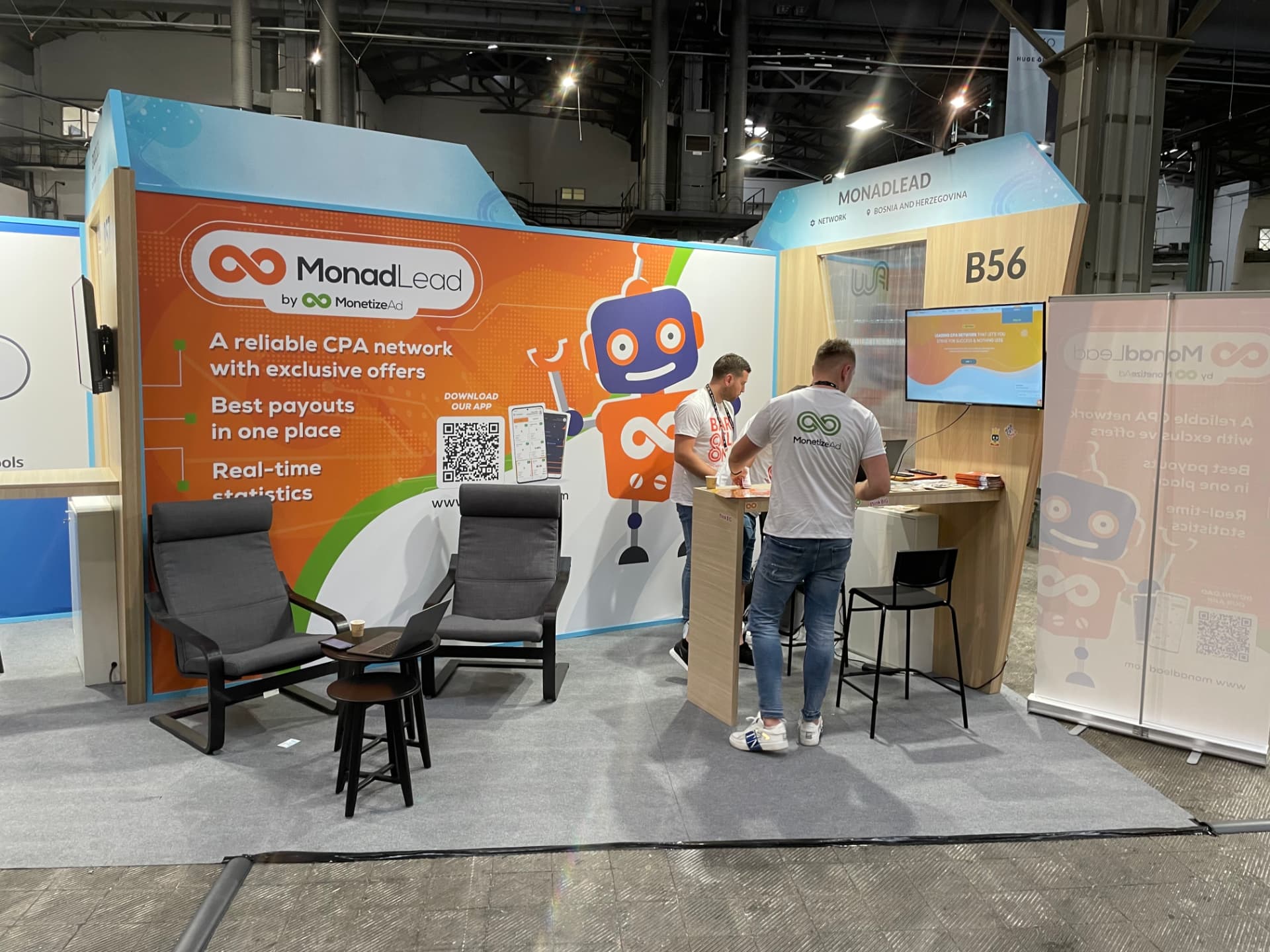
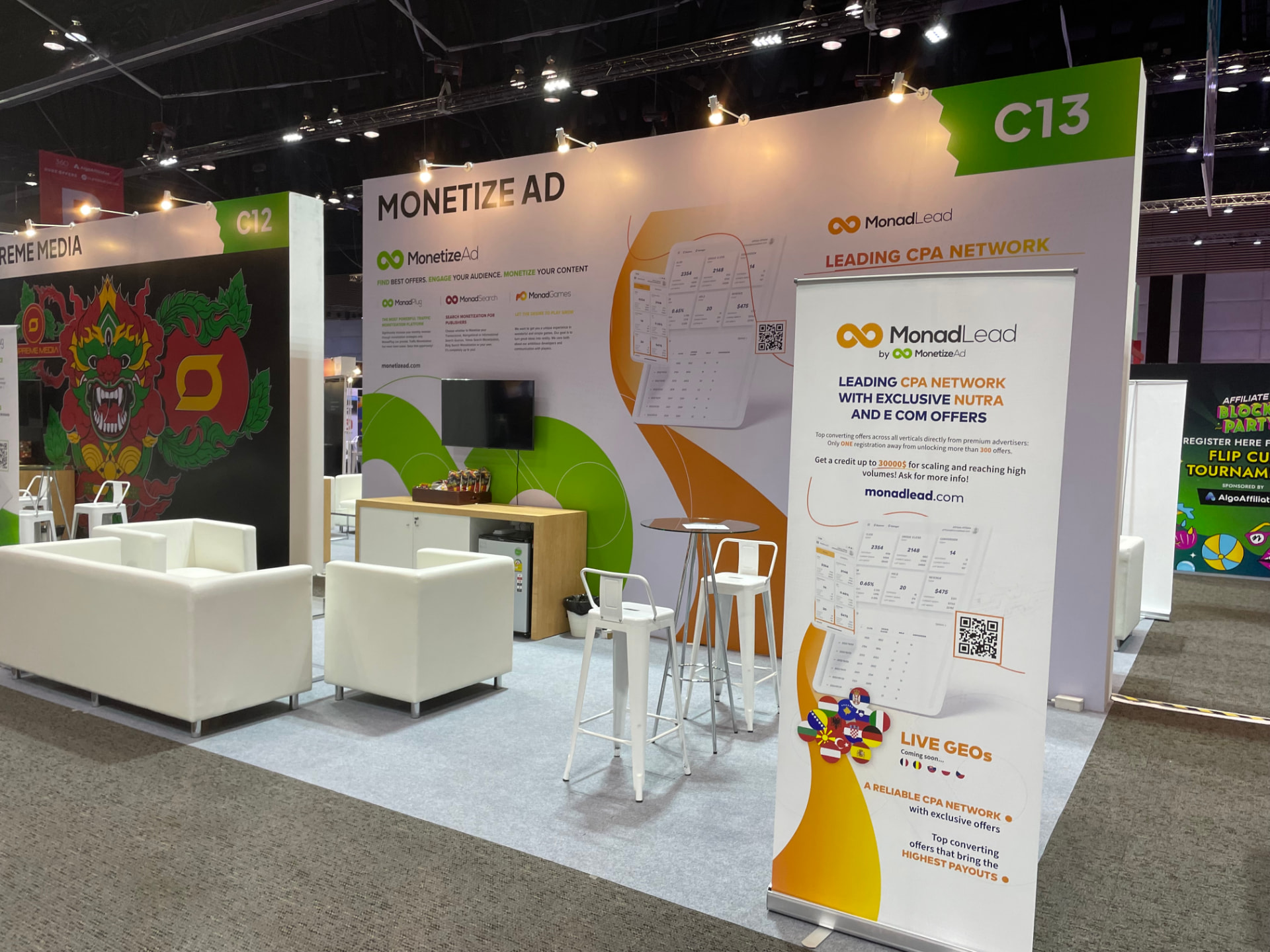
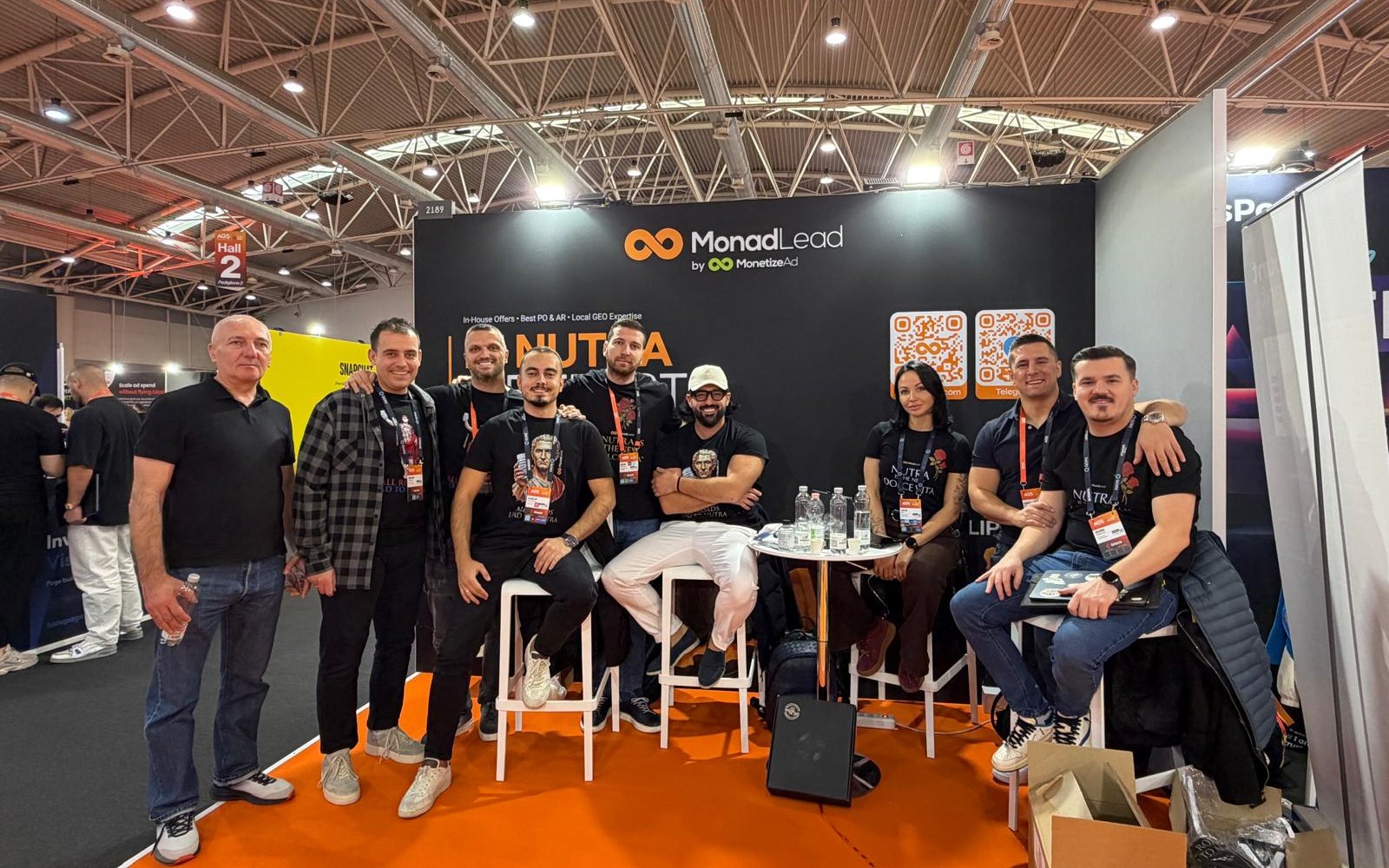
A conference gives an online business a physical meeting point. The MonadLead archive includes Affiliate World events in Barcelona, Bangkok and Dubai, alongside MAC Yerevan and AGS Rome. The photographs show the people and booths behind those appearances; they do not establish campaign outcomes or signed partnerships.
After an introduction, the useful next step is a clear brief. Whether you met the team in person or found the network online, practical detail makes the conversation easier to continue. A message that explains your role and campaign needs is more useful than a general request for the best offer.
02 / PARTNERSHIP
What an affiliate should include
Start with the markets you work in and the traffic sources you intend to use. Mention whether you already have a specific offer in mind or need help identifying an eligible starting point. Be clear about your experience without overstating it.
Describe the setup you already have: a tracker, landing pages, creative materials or an existing campaign structure. If something is missing, say so. The purpose of the brief is to find the next actionable step, not to present a perfect business on paper.
Avoid sending passwords, access tokens or customer lists in an introductory message. Campaign identifiers and a general description of your setup are usually a safer starting point.
- Your intended GEOs and traffic sources.
- The offer or product category you want to discuss.
- Your tracking and landing-page setup.
- Questions about current availability and campaign requirements.
- Your preferred business contact channel.
03 / PARTNERSHIP
What an advertiser should include
An advertiser brief starts with the product, target markets and the intended conversion action. Explain what a valid lead or order means for your campaign and which requirements need to be agreed before delivery starts.
Include any geographic restrictions, creative restrictions and operational constraints that are already known. If there is a limit on volume, describe it as a planning requirement rather than an invitation to promise delivery.
Discuss how leads will be delivered, which information is necessary and how validation feedback will be shared. Clear definitions help both sides interpret the same event consistently.
04 / PARTNERSHIP
Leave the conversation with one next step
A follow-up does not need to solve every detail at once. It should identify one concrete next action: review an eligible offer, confirm the allowed traffic source, complete account onboarding or arrange a tracking check.
Write down which questions are still open and who will respond. If a requirement changes later, update the brief instead of letting different versions circulate in separate message threads.
Keep any commercial terms tied to the actual account and offer. An informal conversation at a booth is not a substitute for confirmed campaign conditions.
05 / PARTNERSHIP
A simple follow-up message
Hello MonadLead team — we met at [event], or I found your network through [source]. I am contacting you as an [affiliate/advertiser]. I work with [GEOs] and [traffic source/product]. I would like to discuss [offer or campaign requirement]. My current setup includes [tracking/landing pages/delivery method], and the main question I need to resolve is [question]. Please let me know the next step.
Replace the bracketed fields with real details. If you did not attend the conference, do not imply that you met the team there. A direct online introduction works just as well.
The cover is the original MonadLead team photograph from AGS Rome 2026. This is an editorial follow-up guide, not a report of specific conference deals.
06 / PARTNERSHIP